
Case Study
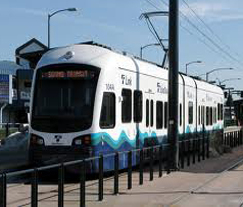
Commute Trip Reduction (CTR) Strategy Development
Issue
With a rapidly expanding workforce, Onit’s health insurance industry client was experiencing significant parking lot congestion at its suburban campus, causing stress among staff and ill-will with neighbors. Short-term fixes included leasing expensive additional parking nearby, while the long-term fix under consideration was construction of an expensive parking garage. Onit Partner Charlotte Franklin was tasked with seeking an alternative strategy for leadership consideration.
Strategy
Onit’s strategy was to develop a solution aligning the parking issue with the client’s projected three year “hiring bubble”, as well as with corporate goals around reducing environmental impact and creating long-term sustainable growth. A strategic program to reduce single-occupant vehicle commutes would alleviate congestion without locking the client into an expensive infrastructure project, while also supporting corporate environmental goals and being scalable to respond to changing hiring levels.
Crafting a Solution
Onit considered the needs and incentives of different stakeholders, including client leadership, staff, neighbors, and the broader local community. A matrix was then developed for mapping incentives and disincentives for each. For example, the program recommended creating new incentives for staff to use alternate transportation (cash payments for ridesharing and public transit; parking permit buy-back program) and combining these with disincentives for driving single-occupant vehicles (introducing fees for parking permits).
The strategy also recommended partnering with other large nearby employers, including a large college and a hospital, who were facing similar issues. The three organizations could combine ridesharing pools to increase the options available to all staff, and could work jointly with the local transit agency on service improvements.
The third prong of the solution was to raise employee awareness of existing and alternative transportation options, including the client’s preferential parking for carpool vehicles and incentives to purchase transit passes. Onit recommended an introductory marketing campaign and a series of regular awareness activities.
Recommendations were presented as a phased program based on the level of change required and mapping actions to outcomes, enabling the client to select a solution that matched its current resource ability to execute.
Results
- A regional Commute Trip Reduction (CTR) Committee was created including client, nearby college and nearby hospital (the three largest regional employers) and the local transit agency.
- Transit agency tools used to establish regional rideshare program across all three employers.
- Awareness campaign established across all three employer locations.
- CTR Committee agreed to jointly fund future additional transit service.