Case Study
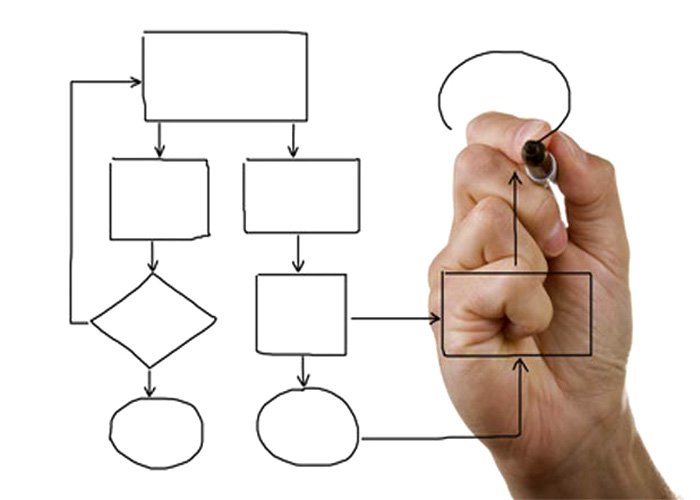
Process Map for Complex Sales Training Event
Issue
Twice yearly Onit’s client, one of the world largest software companies brings together half of its field sales team (thousands of sellers from across the world) for a conference covering sales strategy, new product updates, peer learning, and recognition. However, the method of event delivery, relying almost exclusively on third-party vendors, had been undocumented, labor intensive, process bereft, and difficult to scale.
Additionally, executive leadership had begun asking the event team to put on larger events with more moving parts while using less funding – a clarion call for more effectiveness and efficiency. Onit was brought in to map the event delivery.
Strategy
Recognizing that the event was executed each cycle largely by third-party party contract resources, each with their own undocumented processes and procedures, Onit decided to focus on how information flowed throughout the event cycle. By mapping how and when information passed between the many vendor firms and temporary workers involved, and how collective decisions were made based on that information, Onit could then build management tools to support the client’s administration of these third-party external resources.
Crafting a Solution
Onit focused its solution around People, Process and Tools.
- People:
- Educating the client and their contract event delivery resources on the value of disciplined process execution;
- Reviewing the current informal processes with event staff and identifying where improvements could be made by leveraging SME knowledge within a Lean framework.
- Process:
- Capturing the agreed first pass “improved” process, then applying a more rigorous review for opportunities to gain efficiencies and effectiveness using proven Lean, Six Sigma and PMI-PMBOK techniques.
- Tools:
- Creation of a process map for the final version of the newly enhanced process, showing where efficiencies had been gained.
- Development of additional tools to assist project leadership in visualizing the event delivery from a project management perspective, and illustrating areas where further efficiencies could be gained.
- Documenting areas of risk to be analyzed and managed.
Results
- Project team and project leadership could align around a single event delivery framework.
- Event delivery was made more effective and efficient by eliminating the need to create ad hoc processes and methods for each iteration of the event.
- The new improved delivery framework was captured and documented, removing the risk of losing essential intellectual property with a change in personnel.